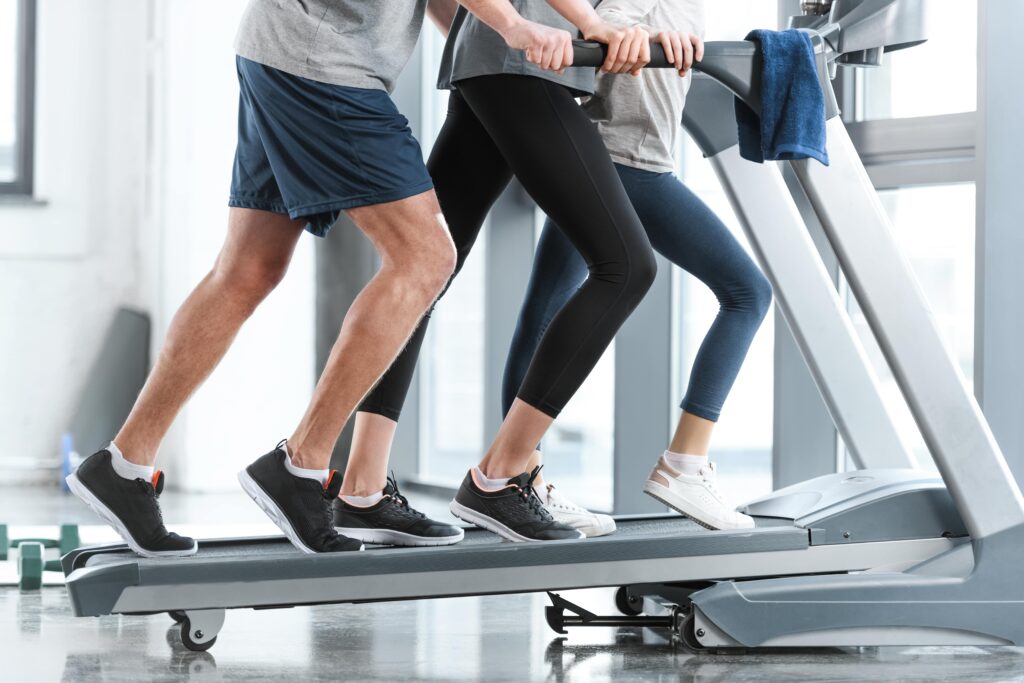
As fitness enthusiasts continue to seek convenient and effective ways to maintain their health, home treadmills have surged in popularity. Particularly in the UK, more individuals are opting for the comfort of exercising within their own homes rather than braving the unpredictable weather or navigating crowded gyms. This guide will delve into the essential aspects of purchasing and utilizing a home treadmill, highlighting the benefits, critical features, and some common FAQs to help you make an informed decision.
Why Choose a Home Treadmill?
Home treadmills provide a range of benefits for those looking to enhance their fitness regime. In a recent survey, 65% of respondents noted increased motivation and consistency in their workouts when using a treadmill at home. Here are some key advantages:
- Convenience: No need to commute to the gym; you can exercise anytime, regardless of weather conditions.
- Safety and Privacy: Exercising at home allows individuals to work out in a safe environment without the pressure of gym-goers.
- Cost-Effectiveness: While there is initially an investment in purchasing a treadmill, it can be more cost-effective than a monthly gym membership over time.
- Versatility: Many modern treadmills come equipped with various workout programs and features for tailored workouts.
Features to Consider When Buying a Home Treadmill
Not all treadmills are created equal. When selecting the ideal home treadmill, consider several essential features that align with your fitness goals and available space. Below is a list of key features to evaluate:
-
Motor Power: Measured in horsepower (HP), a strong motor is crucial for durability and performance.
- 1.5 HP: Suitable for walking and light jogging.
- 2.0 HP or higher: Better for running and intense workouts.
-
Running Surface: The size and quality of the running deck impact comfort and safety.
- Standard dimensions (e.g., 45″ x 140″) cater to both walking and running.
- Non-slip surfaces are essential to prevent accidents.
-
Foldability: If space is limited, opting for a foldable treadmill can be beneficial.
-
Incline Options: Adjustable inclines can simulate outdoor running and provide varied workout intensities.
-
Built-in Programs: Many treadmills come with pre-set workout programs for diverse training experiences.
-
Heart Rate Monitor: These are often integrated into handrails or as wireless chest straps, helping you maintain your target heart rate.
-
Connectivity: Some treadmills offer Bluetooth or app connectivity for enhanced performance tracking.
Popular Home Treadmill Brands in the UK
With the market flooded with options, identifying established brands can simplify your decision-making. Some reputable brands include:
| Brand | Notable Features | Price Range |
|---|---|---|
| NordicTrack | Interactive training, various incline levels | £600 – £2000 |
| ProForm | Affordable, foldable options with iFit compatibility | £350 – £1200 |
| Diamondback | Durable construction, large running surface | £800 – £1500 |
| Reebok | Good for budget-conscious buyers | £300 – £900 |
| Life Fitness | High-quality machines, ideal for serious runners | £1500 – £4000 |
Tips for Using Your Home Treadmill Effectively
To maximize the benefits of your investment, consider these tips:
- Set Realistic Goals: Define your fitness objectives to maintain motivation.
- Create a Schedule: Allocate specific days and times for treadmill workouts to instill a routine.
- Incorporate Variety: Mix different walking, running, and interval workouts to keep things fresh and exciting.
- Stay Hydrated: Keep water within reach to maintain hydration during workouts.
- Warm Up and Cool Down: Integrate stretching before and after your sessions to prevent injury.
FAQs about Home Treadmills in the UK
1. How much space do I need for a treadmill?
Most models require at least 2 meters by 1 meter of space. Always consider additional area for movement around the machine.
2. Can I use the treadmill if I’m a beginner?
Absolutely! Many treadmills cater to all fitness levels, and beginners can start with slower speeds or incline settings.
3. How should I maintain my treadmill?
Regularly clean the surface, lubricate the belt, and check the motor and electrical components for faults. Consult the manufacturer’s instructions for specific maintenance guidance.
4. What is the average lifespan of a home treadmill?
With proper care, a treadmill can last between 8 to 15 years. Higher-end models usually enjoy longer durability.
5. Should I invest in a warranty?
A warranty is recommended, covering essential aspects such as the motor, frame, and other critical components.
Investing in a home treadmill can significantly contribute to one’s fitness journey, offering the flexibility, convenience, and motivation required for an active lifestyle. Whether for walking, jogging, or running, understanding the features and making informed choices can lead to long-lasting benefits. By considering reputable brands and following best practices for usage, fitness enthusiasts in the UK can effectively enhance their exercise experience right from the comfort of home.
Experience the ultimate fitness solution with Home Treadmill UK. Discover our top-notch home treadmill options to kickstart your fitness journey today!